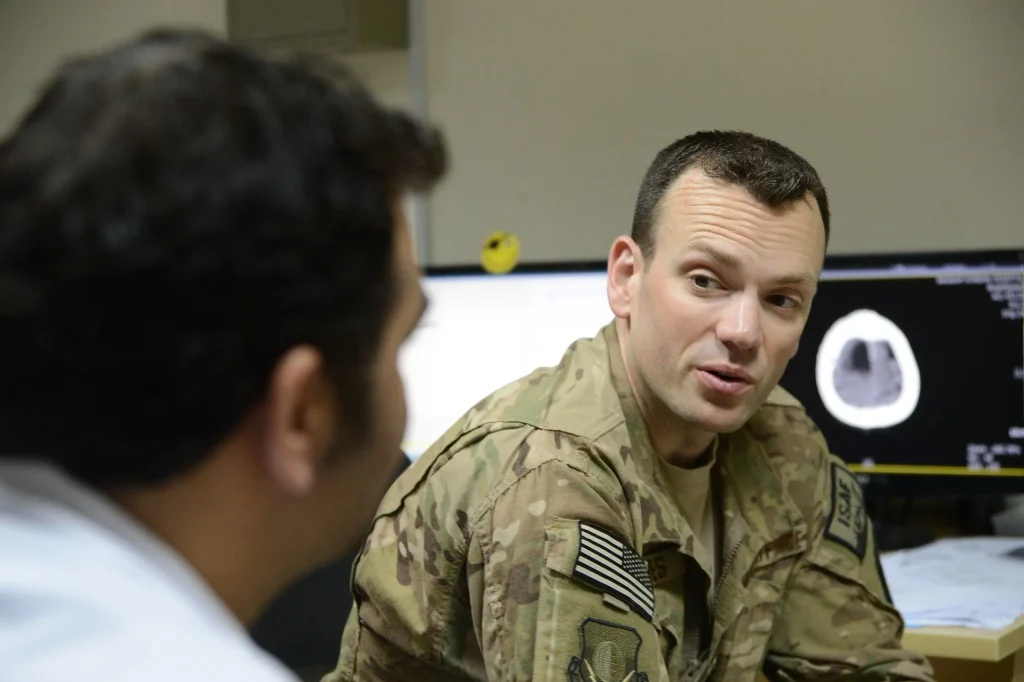
Doctor diagnoses affect several things in a patient diagnosis. It directs physicians’ plans for testing, prescribing, and treating. But what if there’s a mistake in diagnosis? If a person is misdiagnosed, then treatment may not start soon, which can advance the condition. A misdiagnosis can result in unneeded treatment or incorrect drugs. In certain cases, the effect will be a long time after the visit. However, a misdiagnosis is not always an error in medicine. Doctors can be vigilant, but they aren’t going to catch every sickness. If you received a misdiagnosis in Fairfax, Virginia, and you suffered injury due to the failure of getting an appropriate quality of treatment, you may have a claim. Knowing your signs and symptoms, your rights, and what evidence may be helpful could give you an idea of how to proceed.
What Is Medical Negligence?
- Medical Misdiagnosis: Misdiagnosis refers to a health care provider’s diagnosis of a disease or failure to determine the right or appropriate cause of a patient’s symptoms. The error might occur at the hospital, office, or in follow-up care. Diagnostic errors may include:
- Misdiagnosis: An incorrect diagnosis is made for the patient.
- Missed diagnosis: A condition that should be diagnosed is not diagnosed by a clinician.
- Delayed diagnosis: A condition is diagnosed with a delay, which may reduce the alternatives for therapy.
- No records: A doctor does not try to find any test findings or lack of symptoms to investigate.
For example, if a patient presents with chest discomfort symptoms, he or she may be diagnosed with heartburn. The symptoms can indicate cardiac disease, and in case the physician does not closely follow the symptoms, he/exposes the patient to the most serious injury with a criminal delay. The devil is in the details. It might be wrong, but it can’t be sloppy. Misdiagnoses are not just by themselves usable.
Medical Malpractice and Misdiagnosis Claims
A doctor must provide a doctor with the same care that a reasonable doctor would have given, considering the circumstances. That’s the standard of care. If the physician falls below that level and there is an injury, it could constitute malpractice. Reasonable care will depend on the facts of the situation. For instance,
- A doctor snores by clues to order additional testing.
- A provider does not follow up on important test results/scans.
- Physical exam not performed by a doctor and disregarding complaints.
- The health care team fails referring a patient to a specialist when needed.
- A doctor fails to identify clear symptoms of a fatal disorder.
It would be insane to have doctors test for every symptom. Diagnosis is an art of judgment inasmuch as some illnesses are not readily diagnosed. Therefore, was it acceptable for a doctor to give his opinion based on the symptoms and data available?
Consequences of a Misdiagnosis
It can be much more than a return visit to the doctor. A misdiagnosis will cause the wrong treatment to be recommended instead of treating the actual disease. For example, the patient can be put on medicine for a disease that he/she does not suffer from. This can leave the patient open to the side effects of the wrong drug and the real problem not being discovered. And indeed, effective care is impossible without the diagnosis of cancer. Diagnostic errors may cause:
- More appointments and expenditure.
- More time to heal.
- More sickness and suffering.
- Treatment side effects.
- Injury or impairment resulting in permanent disability.
- Time with family and loss of income.
Some patients are afraid and fret they may have received bungled care. They’re scared anything from an earlier test would’ve made a difference or something from a second opinion would’ve made a difference. But that’s something to explore more thoroughly, not by a guess.
So How Do We Prove That It Was a Misdiagnosis?
Expert and Tissue Review Submission in Medical Malpractice Claims. An attorney may cooperate with an appropriate medical expert to establish whether the physician met the standard of care. Useful evidence may include:
- Review records and notes from your doctors.
- Lab, scan, and X-ray reports.
- Doctors’ prescriptions and notes.
- Subsequent doctor’s notes explaining the actual illness.
- Notes of future care/needed bills/pay checks.
Timeline (extremely useful). It may demonstrate when symptoms arose, at what point the clinician was thinking, and when the proper diagnosis was made. The issue of causation is critical. Therefore, the sufferer must demonstrate that the error caused or exacerbated the harm. This link may be harder to demonstrate if the ailment would have done the same damage with even the best treatment.
Suspicion of misdiagnosis.
Fight for Your Health. If the symptoms persist or get worse, seek advice from an appropriate specialist. See the ER promptly if your symptoms are sudden or life-threatening. Once you are seen, there are a few things you can take to ensure you have your facts right.
Obtain a copy of your records. Ask for any notes from your visit, any tests or scans, any medications, discharge papers, etc.
Record what happened. Record dates, symptoms, dates of appointments, and conversations with health care providers. Keep your notes objective.
Document your losses. Save your time slips from work and notes on lost time, pay stubs, and invoices and receipts from your medical treatment.
Ask him. See if your new doctor can tell you if you should be tested or treated. You can also inquire about the modifications to the diagnosis.
Get a lawyer. If possible, talk to an expert medical malpractice attorney about the facts of your case and if you could have a case.
As you collect evidence, don’t forge records or skip therapy. Your health should always be a priority.
Virginia erroneous diagnosis lawsuit.
Virginia Has Unique Rules for Medical Malpractice Claims. Generally, Virginia Code § 8.01-243 gives you two years to file most personal injury claims. There are further limitations and exclusions for medical malpractice claims based on the facts. There is also a cap on recovery in a medical malpractice claim under Va. Code § 8.01-581.15. The cap is different depending on when the act or omission that forms the basis of your claim occurred. These rules affect your options. Waiting until the last minute can preclude you from being able to file a claim, no matter how troubling the facts might be. If you can, try to get a lawyer’s opinion as to what rules may apply.
Why You Need a Fairfax Medical Malpractice Lawyer
Proving misdiagnosis claims can be tough. Doctors and insurers can argue it isn’t easy to identify the sickness, or that the disaster would have happened anyway. A lawyer can review your records, consult specialists, form the link from error to injury, and advise you of your options. A lawyer can seek legal redress for medical expenses (to the extent that they may legally be pursued), lost wages, pain, and future treatment. Price Benowitz Accident Injury Lawyers, LLP, in Fairfax, Virginia, handles all kinds of damage cases. If you suspect that a diagnostic error caused you a serious injury, call the firm to discuss your legal options. A Fairfax medical malpractice lawyer can clarify Virginia law and what evidence your case might require. Ask about time constraints, fees, and how the firm will investigate your claim. You deserve straightforward answers about your care. · An evaluation may provide some understanding of what has occurred and what to do next.
FAQs
1. Is Medical Mistake a Form of Medical Negligence?
Short answer: Yes, if the provider fails to meet the standard of care and causes injury.
Long Answer: Malpractice is more than a wrong diagnosis. Typically the patient will have to show that the practitioner was unreasonable and that the provider’s mistake caused him or her to be injured or to have a deteriorated condition.
2. What kind of medical misdiagnosis are there?
Short answer: Undiagnosed cancer, heart disease, stroke, and deadly infections.
Long answer: Provider failed to see warning signs, failed to order appropriate testing, or failed to follow up on test results. It is contingent upon the circumstances and what a provider with reasonable training would have done.
3. What proof do I need to substantiate a misdiagnosis claim?
Short answer: Test findings, expert opinions, medical records, and proof of losses can all be helpful.
Long Answer: These help to identify what symptoms you described, what the provider knew, and when the correct diagnosis was made. A good doctor will be able to help you determine if the care was substandard.
4. What is the statute of limitations for filing a medical malpractice suit in Fairfax, VA?
Short answer: To clarify: Two temporal frames, with exceptions.
Long Answer: Virginia does have various exceptions to its statute of limitations for malpractice suits that may be relevant to the timing of your complaint… So don’t wait too long to decide—consult with an attorney as soon as possible.
5. Will I get compensated for injury due to a misdiagnosis?
Short answer: To summarize, yes, you can obtain compensation for a misdiagnosis that you can prove was wrongdoing under Virginia law.
Long answer: You may be able to recover damages for further medical bills, lost wages, future treatment, and pain and suffering for the injuries. Amount based on evidence, injuries, and statutory limits.

I’m a Full Stack Web Developer with a Master’s degree in Software Engineering and building compelling, successful websites is my calling. I’ve been in this field for about 10 years and throughout that time I’ve designed plenty of web solutions for numerous businesses grow, attract new audiences and increase their revenue. I aim at delivering an outstanding experience and building long-term, mutually beneficial relationships with my clients.