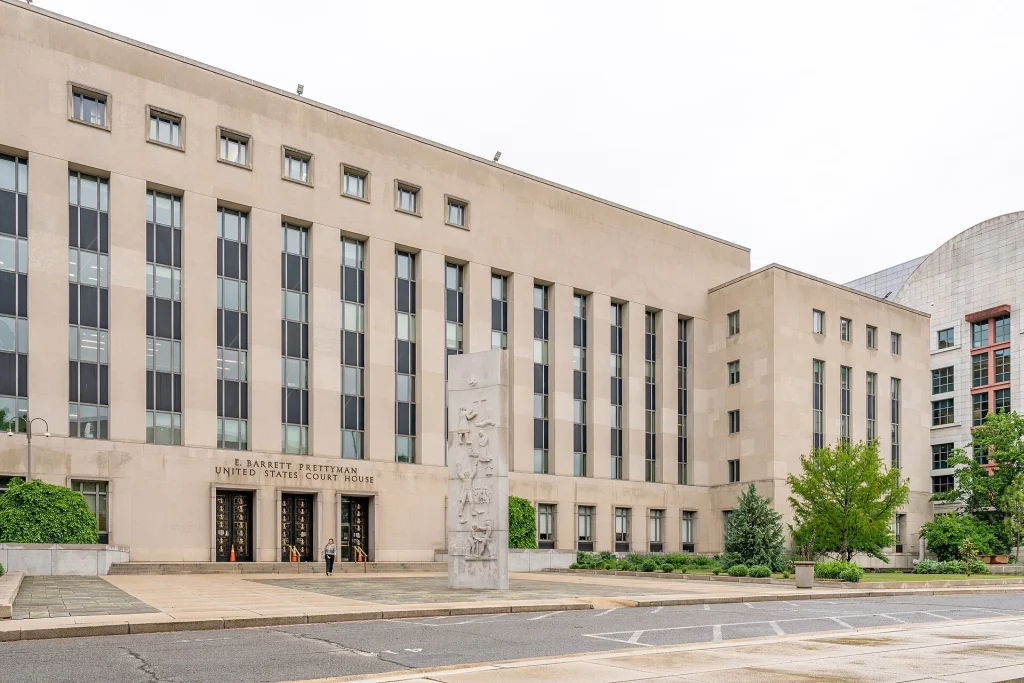
Getting caught by the government can change your life within hours. You will have to answer severe questions, impose strict court demands, and be concerned about your future. In this instance, you may worry for your career, your reputation, and your family. Local criminal cases in D.C. are distinct from federal criminal trials in terms of legislation and court rules. Your actions after your arrest can impact your defense. It can help to have an attorney quickly and to know your rights.
How Do They Make Arrests in Washington D.C.?
Violations of federal law are investigated by federal agents. These cases may involve cybercrime, bank fraud, wire fraud, gun crimes, drug trafficking, and public corruption. These cases can include the FBI, DEA, ATF, and other agencies. Before making an arrest, agents will often collect evidence. They may analyze bank information, e-mails, phone records, video and witness statements. Some DC federal arrests come from a grand jury indictment. Others start with a criminal complaint or a warrant for arrest. It is contingent upon the facts and situation. · A person is not guilty by being arrested. • The government has the burden of proof beyond a reasonable doubt if there is a trial.
What Does an Arrest Do to Your Rights?
What to Expect Minutes After Your Arrest. Federal agents may interview you about the alleged offense, about others involved, and about the incident under investigation. You do not need to answer the questions and might want to speak with an attorney. Be quite specific: Never discuss your circumstances before you consult with a lawyer. Why is that? You think you are saying something benign, yet it can be used against you later. Officials can match your ideas to letters and even documents of witnesses throughout. A minor inconsistency can be problematic. Do not make up records or lie to federal officers. Lying to federal officers is also a felony. If the agents want to talk to you, request counsel before you say anything.
Can You Be Taken to Jail Prior to Trial After a Federal Arrest?
Yes. If you are charged with a federal offense, you can be held in custody until trial. This is not a sentence, but pretrial confinement. At the initial court session, the judge has many questions to answer and may discuss release. The judge might understand that he or she should have additional facts before making the judgment, thus the court might hold a second detention hearing at some later date. The judge can examine several factors when determining the decision:
- Nature and seriousness of the offense.
- Their criminal past and background.
- The relationship of the strike force to DC and the region.
- Risk of failing to appear in court.
- Any threat to anyone or to the community.
The prosecutor may ask the judge to keep such a person. Defense attorneys can dispute such a request and fight for release. Other defendants are released to home under strict conditions. These may include travel limits, check-ins with pretrial services, or electronic monitoring. Failure to comply with these terms can lead to your return to jail and other legal consequences.
But Let’s Now Talk About Something Evidence Affect What If Federal Arrest?
Federal Cases: Pa Per Work, computer facts, witness’s testimony, physical proof. The agents’ collection and maintenance of the evidence can alter the evidence. A defense attorney attacks the law of the police and the evidence of the government. For example, a search may be suspect because agents went beyond a warrant. If there was an illegal act, your defense can attempt to have some of the evidence suppressed by the judge. This is known as a motion to suppress. The judge considers the facts and the law and decides to admit the evidence or not. Not all mistakes result in sitting on evidence. It is reliant upon the nature of the mistake and the laws. But a careful study will discover mistakes that will affect the outcome of a case.
What Happens After Your First Appearance in Court?
In a federal criminal prosecution, many stages may follow the initial court appearance. Decisions at each phase might affect the outcome.
Arraignment: Charges are read and (perhaps) pleas are entered.
Discovery: Some of the government’s evidence must be shared with the defense. This can be made up of reports, witness statements, documents, videocassettes, etc.
Pretrial motions: A judge’s rulings on some legal issues. Such motions might question evidence or other matters before trial.
Plea bargaining: The prosecutor may negotiate a plea bargain with the defendant. The defendant needs to understand the terms and the consequences before deciding.
Trial: If a plea cannot resolve the case, then the prosecution is compelled to prove the charges at trial. Cross-examination: The defense may cross-examine evidence and witnesses.
If the defendant enters a guilty plea or is found guilty, then the case may proceed to sentencing. The judge will consider the law and facts in determining a sentence.
How Will My Job and Family Be Affected by a Federal Arrest?
An arrest is a trial as well. There are the true costs of lack of job, of legal fees, of family tensions, and of course the need to sully a name. Some employers will go off the rails upon hearing an arrest or charge. Certain jobs require background checks or licenses. The consequence of a criminal charge depends on the position, charge, and employer. Arrest is not conviction. However, the lawsuit is enough to muddy the waters long before a judge makes a definitive decision. 1. Do not discuss the case on the internet. Never leave your court papers out where others can read them, and do not tell potential witnesses key information. Attend all of your hearings and follow court orders.
Why You Need a Federal Criminal Defense Lawyer
Receive early advice to safeguard your rights and prepare for the next court appearance. A lawyer will explain the charges and any evidence available thus far and issues about release. Washington DC DUI & Criminal Defense Group. David Benowitz is an experienced criminal defense lawyer: he aggressively protects clients’ rights. He is a member of the National College of DUI Defense and is Martindale-Hubbell AV rated. A DC federal criminal lawyer can help you assess the evidence, talk to you about possible defenses, and advise you of options that might be available to you so that you can make a better informed decision. Legal aid can also respond to questions from federal officials and assist you in preparing for court. Options vary for each scenario. Depending on what you’re charged with, the evidence, and any past legal trouble, here’s what to do. Do not wait until after your court date to get advice.
FAQs
1. Is it guilty if I’m arrested by a federal agent?
No. An arrest is only the government stating you committed a crime. It does not indicate that you are guilty.
Full Answer: If you are taken to court, the government will have to prosecute you for any accusation beyond a reasonable doubt. A defense attorney can examine the evidence, attack weak charges, and advise you as to whether a plea or trial may be in your best interest.
2. If I get arrested, will federal authorities imprison me?
Yes. The court can order pretrial custody if it believes there is a reason to keep the defendant in pretrial detention.
Full Answer: Danger to society and flight risk are considered in court. An attorney may oppose the detention and ask for release on reasonable terms.
3. Must I answer questions posed by federal agents?
You can decline to answer questions about the alleged offense and ask for an attorney.
Full Answer: Whatever you say can and will be used against you in court. If you do talk to agents, do not lie or guess. If you have an attorney, avoid discussing the facts of your case.
4. Can a Lawyer File a Motion to Suppress Evidence in Federal Cases?
Yes. For example, the defense lawyer can challenge the evidence submitted by the government.
Full Answer: If the agents violated the law, then the lawyer may move to suppress the matter. Law motion depends on the court facts.
5. When to Engage a Federal Criminal Defense Lawyer?
If you are under investigation by federal officials or have been arrested, you should get legal advice.
Full Answer: Talking to a lawyer early will be in your best favor and will enable you to know how to prepare for court and to make sure that the agents have more than ample reason to question you or let you go. The lawyer can also assist you understand the charges and make informed decisions about your case.

I’m a Full Stack Web Developer with a Master’s degree in Software Engineering and building compelling, successful websites is my calling. I’ve been in this field for about 10 years and throughout that time I’ve designed plenty of web solutions for numerous businesses grow, attract new audiences and increase their revenue. I aim at delivering an outstanding experience and building long-term, mutually beneficial relationships with my clients.