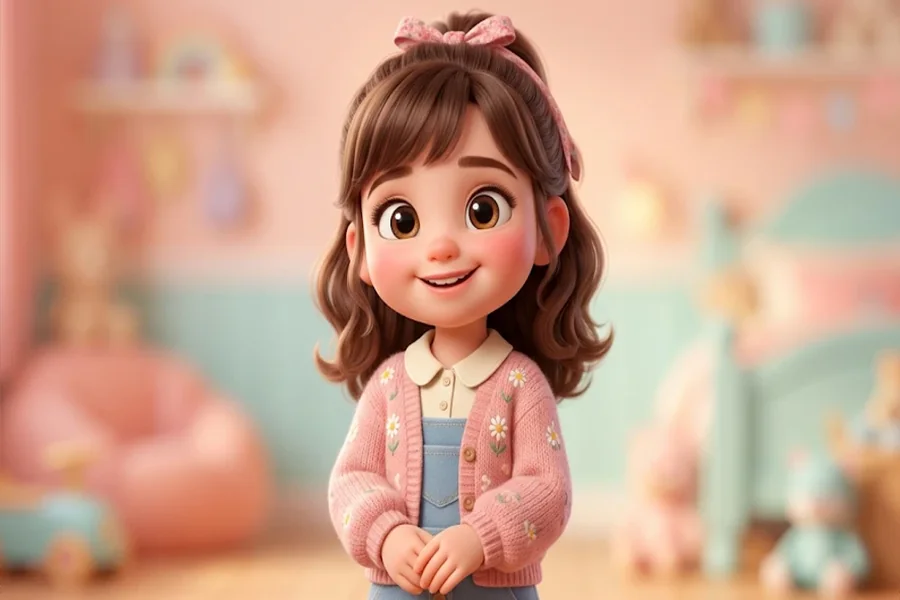
Your online avatar says a lot about you before you even type a message. While a regular profile picture shows what you look like, a funny avatar gives people a glimpse of your humor, interests, and imagination. Maybe you’re known for terrible dad jokes, sarcastic comments, or laughing at the most unexpected things. Whatever makes you smile, an avatar maker can help you turn those traits into a character that feels like you, only with a little extra personality.
What Makes a Funny Avatar Feel Like You?
Think about the people you know who have a recognizable sense of humor. Some always have a clever comeback, while others can make everyone laugh with a single facial expression. Your avatar can capture those same qualities through its appearance.
A funny avatar is a digital character that uses playful features, expressions, or visual jokes to represent someone. It doesn’t have to look exactly like its owner. In fact, a cartoon version of you might reveal more about your personality than an ordinary photograph.
Imagine someone who loves sleeping in on weekends. Their character might have messy hair, half-closed eyes, and slippers shaped like tiny pillows. Another person who’s always excited about trying new food could choose a smiling character holding a ridiculously large sandwich.
The fun comes from turning everyday habits into something entertaining. Even small details can give your character a story that friends instantly recognize.
How Can Your Sense of Humor Shape Your Avatar?
Before choosing hairstyles and colors, consider what kind of jokes you enjoy. Your humor style provides a useful starting point because it helps narrow down the countless design possibilities.
For example, people who enjoy dry humor often find serious expressions amusing when paired with ridiculous situations. Someone who loves slapstick comedy might prefer dramatic reactions, unusual poses, or cartoon-style exaggeration.
Match Your Character to Your Humor Style
Here are a few ways to translate different types of humor into visual ideas:
- Sarcastic humor: A character with raised eyebrows, a sideways glance, or an unimpressed expression.
- Goofy humor: Oversized glasses, wild hairstyles, and exaggerated smiles.
- Clever wordplay: A character based on a familiar pun or double meaning.
- Wholesome humor: Cheerful expressions, friendly animals, and playful accessories.
- Absurd humor: Unexpected combinations, such as a dinosaur wearing office clothes.
You don’t need to fit neatly into one category. Someone who enjoys both sarcasm and absurd jokes might create a grumpy-looking penguin wearing a business suit and carrying a briefcase.
If you enjoy witty wordplay, browsing the jokes and creative humor on QuickPun can also spark ideas for a character with a humorous twist.
The important thing is to draw inspiration from jokes you genuinely find entertaining. That gives your character a more personal touch than simply copying a popular meme.
Which Avatar Style Works Best for Your Personality?
Once you have a basic concept, the next decision is how your character should look. Different illustration styles create different impressions, even when they feature similar expressions.
A cartoon avatar uses simplified shapes and illustrated features to create a recognizable character. A caricature, on the other hand, exaggerates certain physical traits for a humorous effect.
Neither approach is automatically better. Your choice depends on the mood you want to create and where you’ll use the finished image.
Cartoon and Comic-Style Characters
Cartoon avatars are a great choice for a relaxed, friendly appearance. Their simple shapes make it easy to experiment with unusual hairstyles, expressive eyes, and colorful clothing.
Comic-style designs are more dramatic. They often feature strong outlines, bold expressions, and energetic poses. If you’re the kind of person who reacts to every surprise as though it’s the biggest event of the year, this style could be a good match.
Animal and Fantasy Characters
Not everyone wants a human character. Animals can make excellent avatars because their familiar behaviors are easy to turn into jokes.
A sleepy sloth could represent your love of lazy Sundays, while a curious raccoon might capture your habit of investigating everything. You could also choose a dragon who looks terrified of a birthday candle or a wizard who can’t remember where he put his wand.
Fantasy characters give you room to be imaginative without worrying about physical resemblance.
Minimalist Designs
Sometimes, a simple illustration delivers the strongest joke.
Picture a plain yellow smiley face with one raised eyebrow or a tiny cartoon potato wearing headphones. These designs use very few elements, yet they can still communicate plenty of character.
Minimalist avatars also have a practical advantage: their main features often remain recognizable when displayed as small profile icons.
How Do You Create a Funny Avatar Step by Step?
You don’t need professional illustration skills to design an entertaining online character. Many digital tools provide customizable templates, facial features, clothing options, and backgrounds.
The trick is to make thoughtful choices rather than selecting every unusual feature available.
Step 1: Start With a Character Concept
Decide whether you want a cartoon version of yourself, an animal, or something completely imaginary.
Think about the details people associate with you. Perhaps you always wear a baseball cap, carry a camera, or have a favorite oversized hoodie.
Choose one or two familiar features to build around. This gives your design a clear direction from the beginning.
Step 2: Give the Face Some Character
Expressions can communicate a joke without any words.
A raised eyebrow might suggest that your character has just heard something unbelievable. Wide eyes and an open mouth can create a dramatic reaction, while a completely straight face can make an unusual outfit even funnier.
Try changing just the eyebrows and mouth before adjusting anything else. You may be surprised by how much those small changes affect the mood.
Step 3: Choose Accessories With a Story
Accessories are most effective when they reveal something about the character.
For example, a person who loves music might choose enormous headphones and a microphone. Someone who spends most of their time reading could carry a book that’s almost bigger than their body.
You can exaggerate familiar objects for extra humor. A coffee enthusiast might hold a mug the size of a bucket, while a gardening fan could wear a flowerpot as a hat.
Step 4: Experiment With Colors
Color can support the character’s mood without becoming the main attraction.
Bright orange, yellow, and pink can create a lively appearance. Dark blue, gray, and muted green may suit a more understated character.
You can also use contrast to highlight one important feature. For example, a dark outfit with bright red glasses makes the accessory easier to notice.
Avoid using too many competing colors. A limited palette often produces a cleaner image.
Step 5: Add an Unexpected Detail
This is where an ordinary cartoon can become something much more entertaining.
Perhaps your character wears a crown made of french fries or has a tiny rubber duck sitting on their shoulder. Maybe a serious-looking robot carries a teddy bear everywhere.
The surprise should feel connected to your character’s story, even if the connection is wonderfully ridiculous.
Step 6: Check the Finished Image at Different Sizes
Before saving your design, preview it as a small circle or square.
Many social platforms display profile pictures at fairly small sizes. Fine details, tiny captions, and complicated backgrounds can become difficult to see.
If your character looks confusing when reduced, simplify the background or enlarge its most expressive feature.
How Can You Turn a Pun Into a Funny Avatar?
Wordplay offers a fun way to create characters that feel different from standard cartoon portraits.
A pun is a joke that plays with words that sound alike or have more than one meaning. When you turn that idea into an illustration, the picture becomes part of the punchline.
Imagine a cat wearing a business suit. On its own, the image is amusing. Add the concept of a “purr-fessional,” and you’ve created a visual joke with a recognizable theme.
You can use the same approach with food, animals, hobbies, and everyday objects.
Creative Pun-Based Avatar Ideas
| Your interest | Avatar concept | Pun |
| Coffee | A coffee cup wearing a crown | Brew royalty |
| Music | A potato holding an electric guitar | Rock and roll-tato |
| Cats | A kitten in office clothes | Purr-fessional |
| Cooking | A taco wearing sunglasses | Taco ’bout cool |
| Reading | An owl surrounded by books | Owl-ways reading |
| Fitness | A slice of bread lifting weights | Breadwinner |
These concepts can work especially well for social profiles where you want something lighthearted instead of a realistic portrait.
If you’re searching for inspiration, the pun collections at QuickPun offer plenty of examples of how ordinary words can become playful jokes.
You can also invent your own wordplay based on your hobbies. A photography fan might create a camera character that insists it’s “picture perfect,” while a gardener could choose a smiling cactus with the phrase “Looking sharp.”
Not every joke needs written text. If the illustration communicates the idea clearly, you can leave the caption out and let people discover the humor themselves.
What Common Mistakes Can Ruin a Funny Avatar?
It’s easy to get carried away when a design tool offers dozens of hats, glasses, stickers, and backgrounds. But adding more elements doesn’t always make the result more entertaining.
One common problem is visual clutter. A character with neon hair, three hats, enormous headphones, and several speech bubbles may be difficult to understand. Viewers won’t know which part deserves their attention.
Another issue is relying on jokes that need too much explanation. If someone has to read a paragraph to understand why your character is funny, the concept may not work well as a profile picture.
Watch out for these design problems:
- Tiny text: Small captions often become unreadable on mobile screens.
- Clashing colors: Too many bright shades can distract from facial expressions.
- Unclear silhouettes: Accessories that overlap may make your character difficult to recognize.
- Overused jokes: Familiar memes can feel less distinctive than personal humor.
- Offensive stereotypes: Humor aimed at someone’s identity can alienate people rather than entertain them.
It’s also worth considering accessibility. When using an avatar on a personal website, descriptive alternative text can help visitors who use screen readers understand the image.
A little restraint during the design process often makes the final character more expressive.
How Do You Make Your Avatar Memorable Across Social Media?
A recognizable online character can become a familiar part of how friends and followers identify you.
Think about a fictional character you can recognize from its silhouette alone. Maybe it has unusual hair, oversized ears, or an unmistakable hat. Your avatar can benefit from a similar approach.
Choose a defining feature that you can keep across different versions of your character. It could be a particular hairstyle, an unusual pair of glasses, or a favorite accessory.
For example, you might create a cartoon version of yourself with round glasses and a tiny rubber duck on your shoulder. Later, you could change the outfit for holidays or special occasions while keeping those two features.
Ask Friends What They Notice
Once you’ve created a draft, show it to two or three people who know you well.
Instead of asking whether they like the picture, try these questions:
- What does this character remind you of?
- Which feature catches your attention first?
- Does it reflect my usual sense of humor?
Their reactions can reveal things you might miss after spending time working on the design.
You may discover that a feature you considered hilarious is barely noticeable, while a small accessory gets the biggest laugh.
Use that feedback to refine your avatar, but don’t feel pressured to follow every suggestion. It’s still your character, after all.
When Should You Change Your Avatar?
Your interests and sense of humor may evolve, and your digital character can evolve with them.
There is no need to redesign your avatar every few weeks. If people recognize it and you still enjoy using it, there’s little reason to change.
However, a refresh can be fun when you develop a new hobby, join an online community, or simply want a different look.
Seasonal variations are another option. You could add a winter scarf, Halloween costume, or summer sunglasses without changing the character’s basic appearance.
You might also create different versions for different settings. A gaming profile could feature a dramatic expression and colorful effects, while a professional account might use a cleaner illustration with a subtle humorous detail.
If you use an online avatar maker, consider saving the original design or its settings so you can make changes without starting from scratch.
This allows your character to grow with your interests while keeping the familiar details that make it recognizable.
Frequently Asked Questions
Can I Make a Funny Avatar Without Knowing How to Draw?
Yes. Many online tools provide customizable templates, facial expressions, clothing, and accessories. You can combine these elements to create a character without drawing it manually.
What Makes a Funny Avatar Different From a Regular Avatar?
A funny avatar uses humorous expressions, unusual accessories, visual puns, or exaggerated features. A regular avatar may focus more on realistic appearance or simple identification.
Should My Avatar Look Like My Real Face?
Not necessarily. You can use your real features as inspiration or choose an entirely different character. An animal, fantasy creature, or everyday object can represent your interests and humor just as effectively.
Can I Use a Funny Avatar for Professional Accounts?
Yes, depending on the setting. A simple illustrated character with a subtle humorous touch may suit creative industries and informal professional communities. More formal environments may call for a conventional profile photo.
How Can I Tell Whether My Avatar Is Actually Funny?
Show it to people who understand your sense of humor and observe their reactions. If they recognize the joke or connect the character with your personality without much explanation, the design is doing its job.
Conclusion
Creating a funny avatar gives you a chance to express parts of your personality that an ordinary profile picture might miss. Whether you enjoy clever puns, sarcastic expressions, or completely absurd characters, there’s plenty of room to experiment.
Start with something familiar about yourself, such as a favorite hobby, a recognizable habit, or the kind of joke you always make. Then explore different character styles and visual details until you find a combination that feels natural.
You don’t need complicated artwork or an elaborate punchline to create something entertaining. A sleepy sloth with a coffee cup, a serious-looking potato in a suit, or a cartoon version of yourself wearing ridiculous sunglasses might be all it takes.
After all, the best funny avatar isn’t necessarily the one that gets the loudest laugh. It’s the one that makes someone smile and think, “That is so you.”

I’m a Full Stack Web Developer with a Master’s degree in Software Engineering and building compelling, successful websites is my calling. I’ve been in this field for about 10 years and throughout that time I’ve designed plenty of web solutions for numerous businesses grow, attract new audiences and increase their revenue. I aim at delivering an outstanding experience and building long-term, mutually beneficial relationships with my clients.